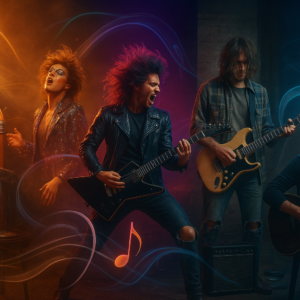

Recent years have witnessed a remarkable transformation in rock music, characterized by the rise of genre-blending. Artists increasingly merge elements from diverse genres such as hip-hop, electronic, and world music, leading to exciting new fusion styles. This trend highlights the creativity of musicians who are breaking traditional boundaries to create sounds that resonate with a wide audience.
The blending of genres within rock has not only diversified its sonic palette but also introduced fresh perspectives and storytelling approaches. Collaborations between artists from different musical backgrounds showcase the potential of this innovation, emphasizing the versatility and appeal of rock as a living genre. By incorporating styles that defy categorization, musicians are crafting unique listening experiences that invite fans to engage with the music on multiple levels.
As listeners encounter a plethora of sounds and influences, genre-blending in rock music challenges preconceived notions of what rock can be. The landscape of modern rock is expanding, embracing the dynamic interplay of different musical traditions. With this evolution, the genre continues to thrive and evolve, reflecting the diverse tastes and cultural shifts of today’s society.
Evolution of Genre-Blending in Rock
Genre-blending in rock music has undergone significant changes over the decades, influenced by various musical styles, cultural shifts, and technological advancements. Key movements in this evolution reveal the dynamic relationship between rock and other genres.
Historical Context and Pioneers
The roots of genre-blending in rock can be traced back to the merging of rock and roll with blues, jazz, and folk influences in the 1950s and 1960s. Artists like Chuck Berry and Elvis Presley incorporated elements from blues and country, setting a precedent for future innovations.
In the 1970s, bands such as Led Zeppelin and The Rolling Stones began to fuse rock with funk and jazz, expanding the boundaries of the genre. The emergence of progressive rock, led by bands like Pink Floyd and Yes, showcased complex compositions that drew from classical music.
The 1980s introduced the influence of hip-hop, particularly with collaborations like Aerosmith and Run-D.M.C.’s “Walk This Way.” This marked a turning point, as artists began to see the value in blending diverse genres to reach wider audiences.
Influence of Digital Technology on Music Production
The rise of digital technology in the late 1990s and 2000s transformed the music industry. Advances in music production software allowed artists to experiment with sounds from various genres more easily. This facilitated the blending of rock with electronic music, pop, and hip-hop.
Linkin Park exemplified this trend with their album Collision Course, featuring the collaboration “Numb/Encore” with Jay-Z. This seamless fusion of rock and rap demonstrated how technology-enabled artists to push boundaries further than before.
Digital platforms also allowed for greater accessibility and exposure. Independent artists could experiment with genre-blending without the constraints of traditional record labels, leading to the emergence of new sounds and styles.
Rise of Cross-Genre Collaborations
The late 2000s and 2010s saw a notable increase in cross-genre collaborations, which became a hallmark of modern rock. Artists recognized the potential for engaging a broader audience through these partnerships.
Collaborations between rock and hip-hop artists, like those seen with Machine Gun Kelly and various hip-hop producers, created fusion genres that appealed to fans of both styles. Additionally, alt-rock bands experimented with elements of funk and electronic music, leading to fresh sounds.
The music industry embraced these cross-genre collaborations, often featuring them in marketing strategies to enhance reach. This willingness to explore and experiment has contributed significantly to the evolution of rock music, resulting in a vibrant, diverse musical landscape.
Impact of Streaming and Social Media
The rise of streaming platforms and social media has transformed how music is consumed and shared. These changes have contributed to evolving musical tastes, enhanced artist-community interactions, and facilitated the emergence of viral hits and new talent.
Changing Musical Tastes and Accessibility
Streaming platforms like Spotify, Apple Music, and YouTube have democratized access to a wide array of music genres. Listeners can easily explore rock music alongside pop, hip-hop, and electronic genres. This accessibility encourages genre-blending as artists experiment and introduce eclectic sounds.
The algorithms used by these platforms also play a crucial role. They curate playlists that expose users to diverse musical styles. A listener might discover a rock track infused with hip-hop elements, which contributes to broader musical tastes. The result is a music landscape where genre boundaries blur, leading to innovative sounds.
Artist and Community Interactions
Social media has enabled direct communication between artists and their fans, fostering a sense of community. Platforms like Instagram, Twitter, and TikTok allow musicians to share their creative processes and personal stories. This ongoing interaction cultivates a loyal fan base.
Notable artists, such as Billie Eilish and BTS, have leveraged social media to connect with their audiences. BTS utilizes Weverse and Twitter for updates and fan engagement, while Eilish shares behind-the-scenes content on Instagram. These interactions not only humanize the artists but also create a space for fans to share their interpretations and experiences with the music.
Viral Hits and Emerging Artists
Viral hits have become a significant aspect of the modern music landscape, often driven by social media trends. The success of “Old Town Road” by Lil Nas X illustrates this phenomenon; it gained traction on TikTok before topping charts worldwide. Such platforms serve as launchpads for new sounds.
Emerging artists now have opportunities to reach global audiences quickly. Videos and snippets can go viral, showcasing genre-blurring tracks. This visibility allows new talent to break through traditional barriers. Streaming platforms and social media are essential in shaping the new era of rock music.
Cultural Shifts and Musical Diversity
Recent shifts in culture have led to significant musical diversity within rock music. Genre-blending has become a prominent feature, influenced by various global sounds and social themes that resonate with today’s audiences.
Breaking Genre Boundaries
Rock music has increasingly fused with other genres like pop, country, and reggaeton. This blending creates rich, innovative sounds that appeal to broader listeners. Artists such as Lil Nas X illustrate this transformation, merging country and hip-hop.
An example is a collaboration between rock bands and pop artists, which showcases emotional depth in songwriting. This cross-genre experimentation challenges traditional notions of rock and expands its reach. As a result, new subgenres emerge, reflecting a more inclusive music landscape.
Global Influences on Modern Rock
The rise of global music genres has significantly impacted contemporary rock. Latin pop and reggaeton rhythms are now frequently incorporated into rock tracks. This blending introduces fresh beats and melodies that engage diverse audiences.
Musicians are increasingly looking to non-Western musical styles, thus enriching their work. For instance, successful rock acts have tapped into Afrobeat or Caribbean influences, creating unique soundscapes. This globalization fosters collaboration among artists from different backgrounds, enhancing cultural exchange.
Social Themes in Genre-Blending
Musical diversity in rock also mirrors pressing social themes. Issues like empowerment and mental health now find a voice through genre-blending. Artists harness the emotional depth of their lyrics to address these topics, making them relatable to fans.
Tracks that combine rock with pop elements often highlight themes of inclusivity, reflecting today’s shifting values. By embracing various genres, musicians convey powerful messages about identity, acceptance, and struggle. These themes resonate widely, as they speak to the experiences of many individuals facing similar challenges.