Loud concerts can deliver thrilling sound experiences, but they also pose real risks to hearing health. The intense volume often exceeds safe levels, which can cause damage to the delicate structures inside the ear. Understanding the science behind sound and its impact on hearing is crucial for concertgoers who want to protect themselves.
The main risk comes from exposure to sound levels above 85 decibels for prolonged periods, which can lead to irreversible hearing loss. The hair cells in the inner ear can become damaged or die, and unlike other cells in the body, these do not regenerate. This makes prevention and ear safety measures vital.
By exploring how sound affects the ear and what safety steps can minimize harm, readers can enjoy concerts while reducing their risk of hearing problems. Knowing the limits of safe exposure and using protective gear are key strategies to maintain long-term ear health.
How Loud Concerts Affect Your Ears
Loud concerts expose ears to high sound pressure levels that can damage sensitive structures inside the ear. Prolonged or repeated exposure to intense sound can lead to hearing problems that range from temporary discomfort to permanent impairment. Understanding sound levels and their impact helps explain why concerts pose a risk to hearing health.
Sound Levels and Decibels Explained
Sound levels at concerts are measured in decibels (dB), a logarithmic scale that quantifies sound pressure. Normal conversation is around 60 dB, while concerts often reach 100-120 dB or higher. Each increase of 10 dB represents a tenfold increase in sound intensity, making concert noise drastically louder.
Exposure to sound above 85 dB for extended periods risks hearing damage. For example, at 100 dB, safe exposure time is roughly 15 minutes before damage begins. Loud music at festivals or concerts often exceeds these levels, increasing the risk of hearing loss.
Noise-Induced Hearing Loss and Tinnitus
Noise-Induced Hearing Loss (NIHL) results from damage to the hair cells in the inner ear caused by excessive sound pressure. These hair cells do not regenerate, so damage leads to permanent hearing loss. People exposed to loud concerts repeatedly may find they experience difficulty hearing quiet sounds or following conversations.
Tinnitus is the perception of ringing or buzzing without an external source. It often accompanies NIHL and can be triggered or worsened by exposure to loud music. Tinnitus severity varies but can be persistent and disruptive.
Temporary Versus Permanent Hearing Damage
Temporary hearing loss, also called temporary threshold shift, occurs after brief exposure to loud noise. Hearing may feel muffled or sounds may seem distorted, but often recovers within hours or days. This indicates stress on the ear but not permanent damage.
Permanent hearing damage happens when repeated loud noise exposure kills hair cells in the cochlea. Unlike temporary loss, this results in lasting hearing reduction. Repeated attendance at loud concerts or music festivals without protection increases the risk of permanent hearing loss.
Scientific Principles Behind Loud Music at Live Events
Loud music at concerts involves complex interactions between sound pressure, musical tempo, and safety regulations. Understanding how sound behaves and affects hearing is essential to balance sound quality with ear protection during events.
Acoustics and Sound Pressure in Concert Venues
Concert sound levels often exceed 100 decibels (dBA), a threshold where prolonged exposure may cause hearing damage. Sound pressure, measured in pascals or decibels, increases as speaker output intensifies.
Venues and music festivals often use large-scale sound reinforcement systems to ensure even coverage. However, design flaws can create uneven sound zones or hot spots with higher decibel levels. Nightclubs and open-air festivals face challenges in controlling reflections and ambient noise.
Sound pressure levels are typically recorded at the audience’s ear height to assess exposure accurately. Decibel scales are logarithmic, so a 10 dB(A) increase means sound energy is ten times greater, making small increases significant in potential risk.
The Role of Tempo and Musical Characteristics
Music tempo influences how sound is perceived and can impact hearing strain. Fast tempos with intense percussion may lead to continuous high volumes, contributing to auditory fatigue.
Lower frequencies, common in electronic dance music at music festivals, can cause vibrations that affect ear sensitivity in different ways compared to higher-pitched instruments. The combination of tempo and frequency spectrum affects listener discomfort and physiological response.
Dynamic range compression, often used to maintain consistent loudness during live performances, reduces volume variation but usually increases average sound pressure. This compression can raise exposure risk despite perceived fluctuations in music intensity.
Regulations and Guidelines for Safe Exposure
The World Health Organization (WHO) recommends that sound exposure should not exceed 85 dBA averaged over 8 hours to prevent hearing loss. For concerts and nightclubs, where sound levels often reach 100-110 dBA, safe exposure time is reduced to less than 15 minutes without protection.
Many countries enforce regulations that limit the maximum allowed decibels at public events. Sound level monitoring and mandatory hearing protection distribution are common safety measures.
Event organizers often use real-time sound meters and restrict peak levels based on these guidelines. Public health campaigns also advise concert-goers to use earplugs to reduce risk without sacrificing auditory experience.
Ear Safety Strategies for Concertgoers
Protecting hearing at loud events requires choosing effective ear protection, managing exposure duration, and seeking professional advice when needed. These approaches help maintain hearing health amid high decibel levels typical of concerts and nightclubs.
Types of Earplugs and Hearing Protection
Concertgoers can use various earplugs designed to reduce volume without distorting sound quality. Foam earplugs offer high noise reduction but can muffle music details, while filtered and musician’s earplugs provide balanced attenuation, preserving sound clarity.
Reusable silicone plugs combine comfort with effective sound dampening and are suitable for repeated use. Over-ear headphones with noise-canceling features also serve as hearing protection, but may not be practical at crowded live events.
Proper insertion and fit are essential for all earplugs to ensure maximum protection. Carrying multiple pairs is advisable, as ill-fitting earplugs can fail to reduce loud noise effectively.
Tips for Minimizing Loud Noise Exposure
Limiting the time close to speakers reduces the intensity of noise reaching the ears. Moving toward back sections or away from direct sound sources lowers risk.
Taking breaks away from loud areas every 60 minutes helps the ears recover from continuous exposure. Avoiding prolonged use of in-ear headphones at high volumes before or after concerts limits cumulative hearing damage.
Keeping volume at or below 85 decibels when using personal headphones preserves hearing health. Monitoring noise levels with smartphone apps can guide decisions about when and where to use hearing protection.
When to Consult an Audiologist
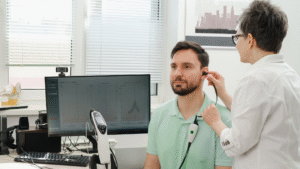
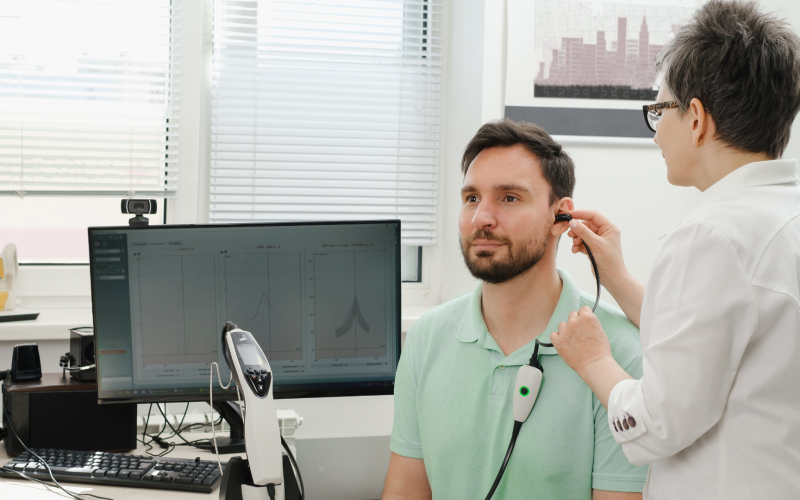
Persistent ringing, muffled hearing, or pain after attending loud concerts signals the need for professional evaluation. Audiologists provide hearing tests to detect early damage that may not be noticeable otherwise.
They can recommend customized hearing protection tailored to individual needs and lifestyles. Regular check-ups are advised for frequent concertgoers or nightclub visitors to track and manage hearing health over time.
Early consultation prevents minor issues from developing into permanent hearing loss. Audiologists also offer education about safe listening habits and noise exposure limits.