
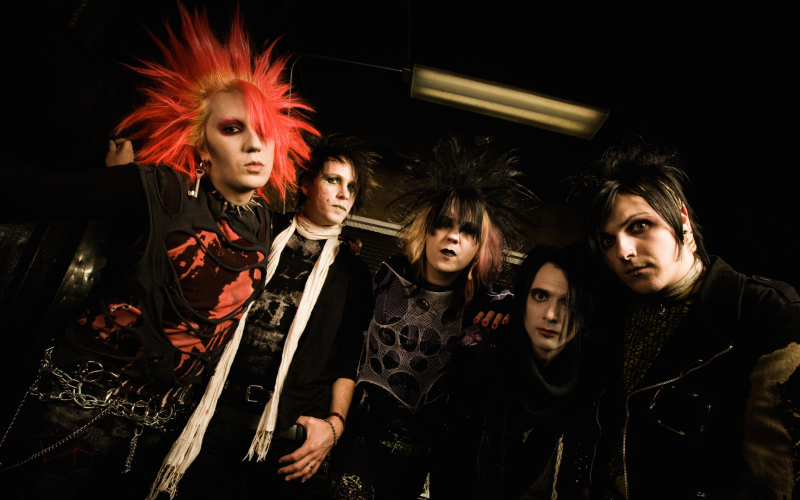
Punk rock emerged in the 1970s as a raw, rebellious response to the mainstream music scene and social conditions of the time. It rejected the polished production of rock and embraced simplicity, speed, and directness. The roots of punk rock lie in a mix of 1960s garage rock, protopunk bands, and a growing discontent among youth seeking an authentic voice.
Bands like The Ramones, The Sex Pistols, and The Clash helped shape the sound and attitude that defined punk. Their music spoke to frustrations about economic hardship, political disillusionment, and cultural alienation. This blend of music and message created a new, influential movement.
The 1970s punk scene was also shaped by specific urban centers like New York and London, where social and economic pressures fueled creative expression. These environments fostered a DIY ethic, encouraging bands to produce and distribute their own music.
Origins of Punk Rock in the 1970s
Punk rock emerged as a distinct musical and cultural movement in response to shifting social conditions and evolving music styles. It drew heavily on underground scenes as well as a reaction to the established norms of mainstream rock during the decade.
Early Underground Scenes in NYC and London
Punk rock’s roots trace back to New York City’s mid-1970s underground scene, centered around venues like CBGB. Bands such as The Ramones and Television fused garage rock simplicity with raw, fast-paced energy. In London, groups like The Sex Pistols and The Clash cultivated a similar sound, but with added political edge.
Both cities’ scenes were tightly knit and DIY-driven, promoting independence from major labels. This approach encouraged experimentation and direct connection with audiences. The garage rock influence was prominent, emphasizing stripped-down instrumentation and short, punchy songs.
Socioeconomic and Political Backdrop
Economic decline and political unrest in the 1970s—especially in the UK—shaped punk’s ethos. High unemployment rates, inflation, and social dissatisfaction fueled a sense of disillusionment among youth. In the US, similar frustrations arose amid urban decay and economic struggles.
This environment gave rise to punk’s raw and confrontational style, which often expressed anger and defiance. The movement’s themes reflected working-class hardships and mistrust of authority, resonating with disaffected young people who felt ignored by society.
Punk’s Reaction Against Mainstream Rock
Punk rock developed as a rejection of 1970s mainstream rock’s complexity and extravagance. Many punk bands viewed progressive rock and arena rock as overly commercial, self-indulgent, and disconnected from everyday life.
Punk embraced short songs, simple chords, and direct lyrics, contrasting sharply with the elaborate production of popular acts at the time. This reflected a desire to return to rock’s stripped-down roots, echoing garage rock’s immediacy and energy while providing an accessible form of expression.
Defining Bands and Influential Figures
Punk rock’s identity was shaped by key bands and figures who each contributed distinct sounds, attitudes, and cultural messages. These include pioneering American bands and UK artists who sparked controversy and political commentary.
The Ramones and the American Sound
The Ramones, formed in New York City in 1974, are credited with defining the raw, fast-paced sound of early punk rock. Their music featured simple, catchy songs with short durations, repetitive chords, and aggressive energy.
They emphasized a stripped-down approach, avoiding excessive solos and production polish. This band established punk’s musical blueprint that influenced countless subsequent groups. Songs like “Blitzkrieg Bop” and “I Wanna Be Sedated” became anthems of the punk ethos, embodying straightforward rebellion through minimalism.
The Ramones’ impact was more musical than political, focusing mainly on youthful frustration and high energy rather than overt social messages.
The Sex Pistols: Anarchy and Outrage
The Sex Pistols emerged from London in 1975, becoming icons of punk’s rebellious spirit and political defiance. Managed by Malcolm McLaren, they challenged British social norms and the establishment with provocative lyrics and chaotic performances.
Their single “God Save the Queen” was a direct attack on the British monarchy and nationalism during Queen Elizabeth II’s Silver Jubilee, stirring widespread controversy and censorship. Johnny Rotten’s sneering vocal style personified punk’s angry disdain.
The band blended nihilism with media savvy to provoke outrage, making punk a force for social disruption. Their brief but explosive career set the tone for punk’s confrontational public image.
The Clash and the Politics of Punk
The Clash, also based in London, introduced a politically conscious edge to punk rock starting in 1976. They fused punk’s raw energy with reggae, ska, and rockabilly influences, broadening the genre’s musical range.
Their lyrics addressed social issues such as racial inequality, unemployment, and police brutality. Songs like “London Calling” and “White Riot” reflected their commitment to activism and working-class struggles.
Unlike the Sex Pistols’ antagonistic nihilism, The Clash aimed to inspire change. This political awareness made them one of punk’s most enduring and respected bands.
Malcolm McLaren and Johnny Rotten’s Impact
Malcolm McLaren, the Sex Pistols’ manager, was key in shaping the punk aesthetic and promotional strategy. He used controversy as a tool, pushing the band into public consciousness through shock value and provocative behavior.
McLaren also linked punk to fashion, popularizing ripped clothes, safety pins, and aggressive styles. His marketing tactics turned punk into a cultural phenomenon beyond music.
Johnny Rotten, the Sex Pistols’ lead singer, provided a distinct vocal style and persona. His confrontational attitude and snarling delivery gave voice to punk’s dissatisfaction and anger, influencing generations of frontmen.
Together, McLaren’s vision and Rotten’s performance style defined the movement’s anarchic image and lasting influence.
Subcultures, Styles, and Independent Spirit
Punk rock in the 1970s thrived through a blend of musical innovation, fashion statements, and a staunch commitment to independence. It challenged mainstream culture by creating distinct communities centered around shared values and aesthetics.
DIY Ethos and Independent Labels
The DIY ethos became central to punk’s identity, as bands and fans rejected major label control. Independent labels like Rough Trade emerged, providing a platform for punk artists to release music on their own terms.
This approach emphasized self-production, self-promotion, and direct engagement with audiences. Many punk bands operated with minimal budgets, focusing on raw energy rather than polished studio work. Independent record stores and fanzines supported this ecosystem, creating a network based on autonomy and resistance to commercial pressures.
Fashion, Art, and Cultural Rebellion
Punk fashion was deliberately provocative, combining ripped clothing, safety pins, leather jackets, and DIY accessories. It visually rejected mainstream norms and signaled membership in a rebellious subculture. Designers such as Vivienne Westwood were instrumental in shaping punk’s provocative style.
Visual art tied to punk followed similar principles, employing collage, vivid colors, and shock value. This artistic expression critiqued consumerism, authority, and societal conformity. The style became a form of cultural rebellion that extended beyond music to everyday life and public spaces.
Influence of Underground Spaces
Underground clubs and venues played a critical role in punk’s rise. Places like London’s Roxy Club fostered a sense of community and creative freedom where emerging bands could perform. These venues were often cheap and informal, encouraging experimentation.
Such spaces were essential for networking, idea exchange, and spreading the punk ethos. Independent record shops like Rough Trade also doubled as social hubs, where people could discover new music and connect with like-minded individuals. These environments nurtured punk’s independent spirit and helped sustain its growth.
The Musical Legacy and Genre Evolution
Punk rock’s emergence in the 1970s sparked a variety of musical developments that expanded its sound and message. Its legacy includes faster, more aggressive styles, political lyricism, and deep connections to other genres like reggae and rockabilly. These shifts helped punk influence later movements such as alternative rock.
Hardcore Punk and Post-Punk Transformations
Hardcore punk emerged as a faster, more intense offshoot of 1970s punk. Bands like Black Flag and Minor Threat emphasized speed, aggression, and DIY ethics. This style was simpler, with shorter songs and raw production, intensifying punk’s rebellious spirit.
Post-punk took a different path by incorporating experimental sounds and diverse influences. Groups such as Joy Division and Gang of Four combined punk’s energy with electronic music, dub, and art rock. This broadened punk’s scope while maintaining its critically engaged, socially aware core.
Political Punk and Lyricism
Political punk focused on addressing social and political injustices explicitly. Bands like The Clash and Dead Kennedys used pointed lyrics to protest issues such as racism, war, and economic inequality. Their messages pushed punk beyond music into activism.
Lyrics became a vehicle for critique rather than entertainment alone. This shift inspired many bands to use their platform for change, blending punk’s simplicity with complex themes. The emphasis on politics defined a significant strand of punk culture.
Connections to Reggae, Ska, and Rockabilly
Punk’s relationship with reggae and ska is notable in its rhythmic influence and shared rebellious outlook. The Clash incorporated reggae rhythms and collaborated with Jamaican artists, blending genres while keeping punk’s urgency intact.
Rockabilly’s impact is evident in punk’s classic rock and roll roots. Early punk bands drew on rockabilly’s stripped-down style and energy, creating a hybrid that reinforced punk’s rawness. This cross-pollination enriched punk’s musical foundation.
Punk’s Influence on Alternative Rock
Alternative rock grew directly from punk’s ethos and sound, especially during the 1980s and 1990s. Bands like R.E.M. and Sonic Youth adapted punk’s DIY approach but explored more melodic and complex arrangements.
The alternative scene embraced punk’s challenge to mainstream norms while diversifying musically. This lineage helped alternative rock become a significant commercial and cultural force in later decades, rooted firmly in punk’s original spirit.