
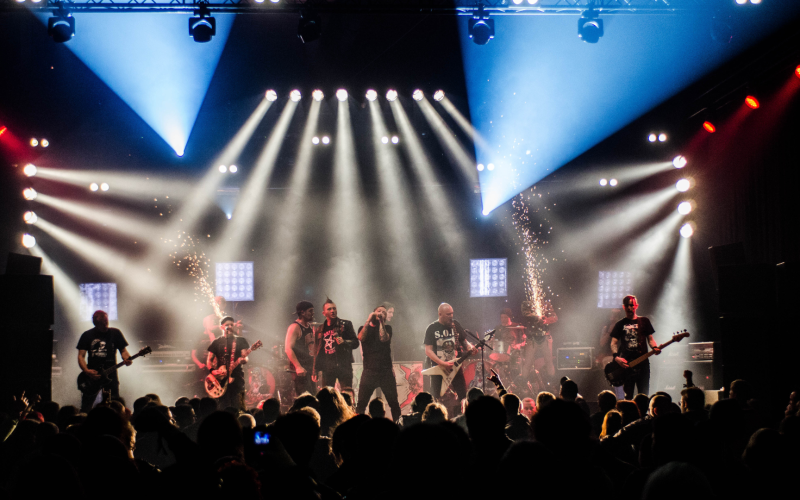
Woodstock and similar rock festivals have left a lasting cultural impact by shaping music, social movements, and public gatherings. These events transcended mere entertainment, becoming symbols of youth expression, peace, and communal experience.
The cultural legacy of Woodstock and other rock festivals lies in their role as catalysts for social change and musical innovation, influencing generations beyond their original audiences. They demonstrated how music festivals could unite diverse groups, promote new ideas, and create shared memories on a massive scale.
Over time, these festivals inspired countless others worldwide, setting standards for live performances and event organization. Their influence persists in modern music culture, festival norms, and the ongoing dialogue about freedom, creativity, and community.
The Cultural Impact of Woodstock
Woodstock became more than a music festival; it shaped a social movement and a set of values that resonated across generations. Its effects went beyond the event itself, influencing attitudes toward music, peace, and community.
Defining the Woodstock Ethos
Woodstock embodied a unique ethos centered on freedom, creativity, and collective experience. The festival operated with minimal security and embraced a spirit of inclusivity, encouraging diverse expressions of identity and belief.
The collaborative atmosphere among attendees reflected a break from mainstream consumer culture. Woodstock fostered an environment where music and art were catalysts for unity and self-expression rather than commercial gain.
This ethos influenced later festivals and shaped cultural attitudes in the late 1960s and beyond. Its emphasis on community and shared experience became a blueprint for countercultural gatherings.
Societal Shifts Sparked by the Festival
Woodstock mirrored and accelerated key societal changes, particularly in attitudes toward authority and social norms. It highlighted youth resistance against the Vietnam War and conservative values.
The festival also pushed issues such as civil rights, environmentalism, and gender equality into public consciousness through music and messaging. It showed that large-scale peaceful gatherings were possible despite political tensions.
Furthermore, Woodstock challenged traditional media narratives by delivering direct cultural statements from the youth. It helped cement the role of music festivals in cultural and political discourse.
Symbolism of Peace, Love, and Music
Woodstock’s imagery of peace signs, flower crowns, and communal harmony became iconic symbols of the 1960s counterculture. These symbols emphasized nonviolence and interconnectedness amid political turmoil.
The phrase “peace, love, and music” encapsulated the festival’s promise as a transformational space for social change. It underscored music’s role as a universal language capable of bridging divides.
This symbolism continues to influence cultural and political movements, serving as a reminder of the power of artistic expression to inspire solidarity and hope.
Influence on Rock Festivals Worldwide
Woodstock set a clear example for the scale, spirit, and social impact of music festivals. It affected how festivals were organized, how audiences engaged with music, and how live performances became cultural events. These effects shaped the global landscape of rock and other music festivals moving forward.
Inspiration for Global Music Events
Woodstock inspired numerous festivals outside the United States by showcasing the potential of large-scale music gatherings. Events like the Isle of Wight Festival in England and Germany’s Rock am Ring adopted similar formats of multi-day outdoor concerts with diverse lineups.
These festivals reflected Woodstock’s blend of music, countercultural values, and community spirit. Organizers worldwide saw the power of combining music with social and political messages. This influence encouraged a broader acceptance of festivals as both entertainment and cultural expression.
Expansion of Festival Culture
Woodstock contributed significantly to the normalization and growth of festival culture globally. Before Woodstock, music events were often smaller and more commercial. Afterward, the concept of festivals as immersive, often communal experiences spread widely.
The festival model fostered stronger audience interaction and a sense of belonging. It encouraged repeated annual events and the development of festival tourism. This growth created a new economy around music festivals, including merchandising, camping culture, and sponsorship.
Creation of Iconic Festival Traditions
Woodstock introduced traditions that became staples of rock festivals worldwide. The communal attitude, including sharing resources and peaceful coexistence among diverse crowds, was widely emulated.
Other traditions included extended artist sets, surprise guest appearances, and the presence of countercultural aesthetics like tie-dye and psychedelic art. These elements became symbolic of the festival experience and persist in modern events, linking participants to an ongoing cultural lineage.
Lasting Effects on Music and Youth Culture
Woodstock and similar rock festivals set new standards for communal music experiences and influenced the values, attitudes, and artistic directions of youth for decades. These events became pivotal moments that intertwined music with social and political change, shaping how generations expressed themselves and connected with broader cultural movements.
Shaping Generational Identity
Woodstock firmly established a unique generational identity for the youth of the late 1960s. It highlighted a collective desire for peace, freedom, and social justice amid the Vietnam War era. The music and atmosphere allowed young people to view themselves as part of a larger cultural force challenging established norms.
This generation’s identity was marked by nonconformity, reflected in their fashion, language, and lifestyle choices. The festival emphasized unity across racial and social lines, fostering a sense of belonging among diverse groups. This shared experience became a defining cultural reference point that influenced later youth movements.
Role in the Bohemian and Counterculture Movements
Woodstock was a high point in the bohemian and counterculture movements, offering a public space for alternative lifestyles. It embraced anti-establishment values, encouraging experimentation with new ideas on politics, sex, and spirituality. These ideals spread beyond the festival through increased media coverage and personal stories.
The events promoted communal living, environmentalism, and grassroots activism. Many attendees became lifelong advocates for these causes, using music festivals as platforms for dialogue and protest. This reinforced the link between cultural gatherings and activist efforts that persisted into future decades.
Ongoing Impact on Artistic Expression
Woodstock helped redefine artistic expression by blending music with broader social messages. Musicians used the platform to address issues like war, civil rights, and personal freedom, influencing lyrical content and performance styles. The festival’s open-air setting encouraged improvisation and experimentation with sound.
These festivals inspired new genres and the rise of live performance as a vital art form. The legacy includes an emphasis on music as a tool for storytelling and societal reflection, shaping the creative approaches of artists well beyond the initial era.
Preserving and Interpreting the Legacy
The legacy of Woodstock and similar rock festivals continues through various forms of media, changes in event management, and ongoing discussions about their cultural significance. These factors shape how future generations understand and engage with these historic events.
Commemoration Through Media and Reunions
Documentaries, books, and films have played a central role in preserving Woodstock’s history. Notable works like the original “Woodstock” documentary (1970) have kept the festival’s spirit alive. Reunions, such as the 25th and 50th anniversaries, attract audiences and original performers, renewing public interest.
Archives and digital collections now store rare photos, setlists, and personal accounts. These materials provide research resources, contributing to a layered interpretation of Woodstock beyond nostalgia. The media focuses on the music, social movements, and communal ideals that these festivals symbolize.
Changes in Festival Organization and Safety
Post-Woodstock festivals increased focus on crowd control, emergency services, and environmental impact. Organizers now employ detailed risk assessments and infrastructure plans to prevent issues like overcrowding and unsanitary conditions.
Permitting processes have grown stricter worldwide. Safety protocols include professional medical teams, waste management systems, and security measures designed to minimize hazards. These changes reflect lessons learned from Woodstock’s logistical challenges, ensuring improved attendee welfare.
Continuing Debates Over Meaning and Memory
Scholars and enthusiasts debate whether Woodstock embodied genuine countercultural values or commercialized rebellion. Some argue the event was a selling point for idealism turned mainstream, while others see it as a defining moment of unity and resistance.
Memory also involves contested narratives about race, gender, and class representation at festivals. These discussions influence how Woodstock is taught, commemorated, and adapted within contemporary music culture. Interpretations evolve with changing social values and political contexts.