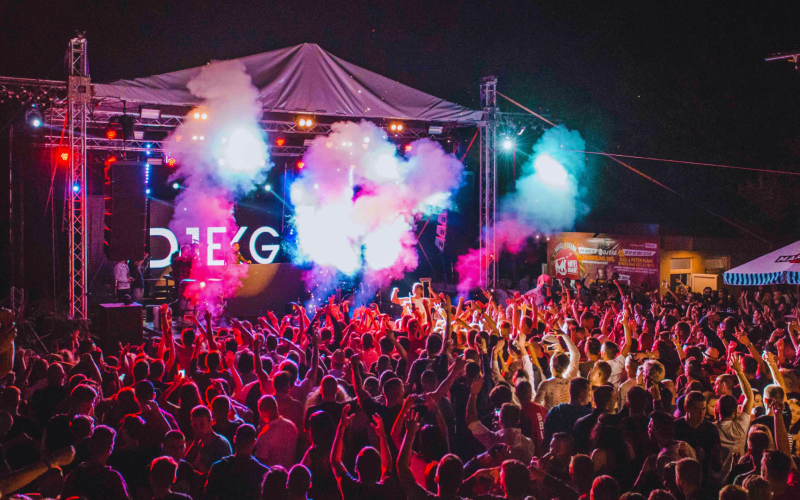
Music festivals offer an unparalleled experience where enthusiasts gather to celebrate their passion for diverse genres and artists. The biggest music festivals around the world, such as Coachella, Glastonbury, and Tomorrowland, attract millions of attendees each year, showcasing not only musical talent but also the vibrant cultures of their locations. These events provide a unique blend of music, art, and social interaction, making them a must-visit for anyone who loves live performances.
Attendees often enjoy a multi-day experience filled with various activities, including art installations, food vendors, and camping options. From the stunning stages at Ultra Music Festival to the breathtaking rural settings of Lollapalooza, each festival offers a distinct atmosphere that enhances the live music experience. Now, creating such large-scale, immersive experiences requires meticulous planning and flawless execution. Behind the scenes, a reliable event production company in Hawaii (or in any relevant location) tends to play a critical role in bringing these immersive environments to life through expert staging, lighting, and logistics.
This article will explore these iconic music festivals, detailing what makes each event special and why they remain top destinations for music lovers.
The Rise of Music Festivals
Music festivals have evolved from niche gatherings to major events in popular culture, reflecting changes in society, music, and entertainment. Their growth has significantly influenced various music genres and shaped community engagement.
Historical Overview
The origins of music festivals can be traced back to the 1960s and 1970s. Iconic events like Woodstock in 1969 showcased the power of live music, attracting massive crowds and diverse audiences. Over the decades, festivals expanded globally, with events like Glastonbury and Coachella emerging as defining moments in modern music history.
By the 1990s, music festivals diversified, including genres such as electronic, rock, and hip-hop. The late 2000s saw a rapid increase in festival attendance, fueled by social media and marketing strategies that intensified public interest. This historical trajectory highlights the festival’s role in bringing fans together and promoting cultural movements.
Significance in Popular Culture
Music festivals serve as cultural touchpoints that reflect societal trends and shifts in music. They bring together artists and fans, creating a communal atmosphere where music becomes a shared experience. Festivals showcase a variety of music genres, allowing attendees to discover new artists and styles.
Additionally, festivals influence fashion and lifestyle choices. The widespread coverage and social media presence amplify festival culture, making them integral to contemporary youth identity. Prominent festivals often feature exclusive performances or collaborations, further cementing their significance in the music industry.
Economic Impact of Festivals
The economic implications of music festivals are profound. They contribute significantly to local economies through ticket sales, hospitality, and tourism. Major festivals can generate millions in revenue, benefiting businesses such as hotels, restaurants, and transportation services.
For example, Coachella injects substantial funds into the California economy, highlighting the potential of festivals to drive financial growth in regions hosting large events. Furthermore, festivals often create jobs, both temporary and permanent, contributing to long-term economic stability. This impact demonstrates how music festivals transcend entertainment and become vital components of local and national economies.
The physical setup of these massive sites is a major part of the budget. Most organizers hire an event production company to build the stages and manage the technical gear. These teams look after the audio quality and the visual effects for every performance. They also deal with the power grids and the safety of the temporary structures. This support keeps the show on track. It is a big part of why these events are successful year after year.
World-Famous Music Festivals
The global music festival scene is marked by events that attract hundreds of thousands of attendees, showcasing diverse musical genres and cultural experiences. Key festivals such as Coachella, Tomorrowland, Summerfest, and Lollapalooza not only emphasize musical performances but also incorporate art, culture, and social engagement.
Coachella and Its Cultural Iconography
The Coachella Valley Music and Arts Festival, held annually in California, is known for its blend of music, art installations, and celebrity attendance. Since its inception in 1999, it has grown into a cultural phenomenon, attracting over 250,000 attendees each year.
Coachella features a diverse lineup that spans various genres, from rock and pop to hip-hop and electronic dance music. Iconic performances by artists such as Beyoncé and Radiohead have become significant moments in music history. The festival’s atmosphere is characterized by elaborate fashion, art installations, and social media buzz, making it a cultural touchstone.
Tomorrowland’s Spectacle of Dance Music
Tomorrowland, hosted in Belgium, is one of the largest electronic dance music festivals in the world. Founded in 2005, it draws over 400,000 attendees from various countries, delivering a unique spectacle that combines elaborate stage designs and top-tier DJ performances.
The festival unfolds across two weekends in July and features diverse lineups, showcasing legends such as David Guetta and Armin van Buuren. Tomorrowland’s immersive themes and mesmerizing visual displays create an unforgettable experience. The festival has expanded globally, inspiring similar events in countries like the United States and Brazil.
Summerfest’s Record-Breaking Gatherings
Summerfest takes place annually in Milwaukee, Wisconsin, and is often called “The World’s Largest Music Festival.” Stretching over 11 days, it features more than 1,000 performances from artists across multiple stages, attracting nearly a million attendees each year.
With a mix of genres, Summerfest showcases everything from rock to country music. The festival hosts major acts and local talent alike, creating a diverse musical landscape. Among its notable features is a vibrant food scene, providing an ideal atmosphere for festival-goers to enjoy live music and culinary delights together.
Lollapalooza and its Global Reach
Lollapalooza started in 1991 as a touring festival in the United States and has since evolved into an influential global music platform. It takes place in Chicago and features a blend of alternative rock, hip-hop, and electronic music.
The Chicago festival occurs annually over four days, attracting around 400,000 attendees. International editions of Lollapalooza have launched in countries such as Brazil, Chile, and Argentina, furthering its global presence. The festival is known for its diverse lineup, cultural initiatives, and commitment to giving back to local communities through various charitable endeavors.
Beyond the Music: Experience and Engagement
Music festivals offer more than just live performances. Attendees can immerse themselves in a variety of experiences that enhance their festival journey. This includes unique art installations, fashion trends, and diverse food options that engage the senses and create lasting memories.
The Art and Installations
Many music festivals feature large-scale art installations, which are often pivotal to the festival experience. Artists are commissioned to create immersive pieces that transform festival grounds into interactive environments.
For example, Burning Man showcases remarkable sculptures and intricate displays made from sustainable materials. Electric Forest integrates forest landscapes with light and sound, creating enchanting experiences for attendees.
Such installations not only serve an aesthetic purpose but also encourage engagement through photos and communal exploration. They elevate the visual aspect of the festival, making it a cultural event in addition to a musical one.
Festival Fashion Trends
Fashion at music festivals reflects creativity and personal expression. Attendees often showcase bold styles that range from bohemian to futuristic.
Popular trends include sustainable clothing made from recycled materials, promoting eco-consciousness among festival-goers. Accessories such as flower crowns, body glitter, and eclectic jewelry can enhance outfits, adding unique flair.
Major festivals often highlight standout fashion through social media channels, encouraging others to embrace distinctive styles. This trend not only enhances personal engagement with the event but also fosters a sense of community among attendees sharing similar tastes.
Food, Crafts, and More
The culinary landscape of music festivals has evolved significantly. Many events now feature diverse food trucks and local cuisine, catering to various dietary preferences, such as vegan or gluten-free options.
Festival-goers can often sample a wide range of flavors, from gourmet dishes to traditional snacks. Additionally, craft vendors sell handmade items, enabling attendees to take home a piece of the festival experience.
Workshops on crafts and wellness may also be offered, providing educational opportunities that engage attendees beyond music. This multifaceted approach enhances the overall festival atmosphere, making it a vibrant hub of culture and creativity.
Destination Festivals and Their Cultural Hubs
Numerous music festivals around the world serve as vibrant cultural hubs, attracting diverse crowds and showcasing various genres. From the sunny landscapes of California to the bustling streets of Amsterdam, each location provides a unique atmosphere that enhances the festival experience.
California’s Music Scene
California is home to some of the most iconic music festivals in the United States. The Stagecoach Festival caters to country music lovers, featuring top artists like Luke Bryan and Miranda Lambert. Held in Indio, it draws attendees eager to enjoy line dancing and Southern food in a fun, relaxed setting.
Coachella is another California staple, known for its wide range of genres including rock, pop, and hip-hop. Artists such as Billie Eilish and Travis Scott have graced its stages, making it a must-attend event for music aficionados. The picturesque venue amidst palm trees enhances the sense of escape.
Additionally, the Hard Rock Festival emphasizes rock and heavy metal with performances from well-known bands, making it essential for fans of those genres. Each festival showcases the diverse musical canvas of California, reflecting its broad cultural spectrum.
Las Vegas: A City of Lights and Sounds
Las Vegas, known for its vibrant nightlife, hosts numerous music festivals that attract global audiences. Electric Daisy Carnival (EDC) stands out with its focus on electronic dance music. The event features elaborate art installations, carnival rides, and a dazzling light show that captivates attendees.
Vegas celebrates a variety of genres; the Life is Beautiful Festival combines music, art, and culinary experiences, featuring artists across genres such as hip-hop and rock. Its urban setting allows for convenient access to top restaurants and attractions, enhancing the festival experience.
Many festival-goers take advantage of the city’s amenities, from luxury accommodations to extravagant shows. Las Vegas seamlessly integrates its music festivals into its broader entertainment landscape, making it a premier destination for concert enthusiasts.
Amsterdam Dance Event: When the City Breathes EDM
The Amsterdam Dance Event (ADE) is a pivotal event on the electronic music calendar. Taking place in mid-October, it transforms the city into a hub of EDM culture. Featuring over 1,000 artists across more than 200 events, the festival caters to both fans and industry professionals.
Amsterdam’s vibrant nightlife and rich culture create an ideal backdrop for ADE. Venues range from clubs to open-air spaces, each offering a unique atmosphere. The event also hosts panels and workshops, providing insights into the electronic music industry.
Its impact extends beyond music, influencing local culture and tourism. The festival attracts visitors from around the globe, contributing significantly to the city’s economy and cultural exchange.
Rock and Metal: Festivals That Amplify the Genres
For rock and metal enthusiasts, several festivals highlight these powerful genres. The Welcome to Rockville festival in Florida showcases big names in rock and heavy metal. This event features performances from iconic bands like Metallica and Slipknot, drawing fans from across the country.
In Belgium, Graspop Metal Meeting is another key festival. It attracts thousands of heavy music fans for three days of non-stop metal performances. The festival’s lineup typically includes popular bands alongside emerging artists, making it a vital part of the European metal scene.
Spain also contributes to this genre with festivals such as Download Festival and Mad Cool, offering a mix of rock, punk, and indie. These events reflect a global passion for rock and metal music, reinforcing their cultural significance within the festival landscape.