Concert experiences vary significantly between intimate settings and large-scale events. Intimate concerts often foster a more personal connection between artists and audiences, while large-scale concerts like the Keith Urban concert in Guilford generate an exhilarating atmosphere with powerful performances and larger crowds. The choice between these types of concerts can greatly influence how fans engage with live music.
Attending an intimate concert can allow for deeper interactions, where fans might feel more connected to the artist. In contrast, the energy of a large-scale concert, with its elaborate stages and production, tends to create a communal experience among thousands of attendees. Each format offers unique benefits, making the live music experience rich and diverse.
Ultimately, preferences in concert size often depend on what individuals seek in their live music experiences. Whether it is the closeness of an acoustic set in a small venue or the electrifying ambiance of a stadium show, both have their own special allure that appeals to different audiences.
Defining the Concert Experience
The concert experience varies greatly depending on the type of venue and the overall atmosphere created by the performance. Different settings can vastly influence how attendees perceive the music and engage with the event.
Types of Concerts
Concerts can be categorized into several types. Intimate concerts often take place in smaller venues like local clubs or theaters. These settings allow for close interaction between the performers and the audience, fostering a cozy atmosphere. The seating capacity usually ranges from a few dozen to a few hundred, which contributes to the personal connection.
In contrast, large-scale events include stadium concerts and music festivals. These venues can accommodate thousands, sometimes even tens of thousands, of fans. The experience at these concerts is often characterized by grand performances, elaborate stage setups, and a communal atmosphere. Attendees enjoy the spectacle of light shows and high-quality sound systems, which enhance the overall enjoyment despite the physical distance from the artist.
Moreover, for larger concerts, organizers often consider working with specialized booking agencies like Endorsco Talent Agency to secure high-profile celebrities and established performers. By leveraging star power, coordinators could expand the event’s reach, attract a broader audience, and generate media buzz through targeted promotions and social media campaigns.
Understanding Atmosphere and Venue Size
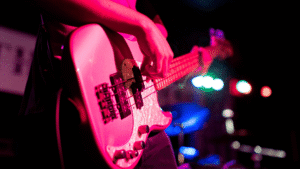
The atmosphere of a concert is deeply influenced by venue size. Smaller venues create an intimate vibe. Fans can feel the energy of the performers up close. The sound tends to be more direct, often leading to a more immersive experience.
In contrast, arena and stadium settings yield a completely different ambiance. Here, the energy is amplified by the sheer number of attendees. While the performance might be visually spectacular, the audience experience can feel more generalized due to the larger space and distance from the stage.
Many fans appreciate both types of concerts for what they offer, balancing the warmth of a cozy atmosphere against the excitement of large-scale spectacles.
Elements of Live Music Performances
The quality and impact of live music performances hinge on key elements, particularly musicianship, presence, and the overall visual and sonic experience. These factors significantly shape audience engagement and enjoyment, distinguishing intimate settings from large-scale concerts.
Musicianship and Presence
Musicianship encompasses technical skill, artistry, and emotional expression. Renowned musicians often exhibit intricate playing techniques and distinctive styles, elevating the artistic value of their performances. Emerging artists, while possibly less polished, can create compelling experiences through genuine passion and connection with the audience.
Presence is equally vital. Charismatic performers engage the crowd, fostering a sense of intimacy, even in larger venues. They utilize eye contact, movement, and vocal interaction to create a bridge between the artist and the audience. This connection can enhance the overall enjoyment of the performance, making each moment feel personal, regardless of the scale.
Visual and Sonic Quality
Visual elements play a considerable role in the audience’s experience. The stage setup, lighting, and backdrop can create a captivating atmosphere. In large concerts, elaborate visual displays often accompany well-known artists, creating a spectacular sensory experience.
Large concerts copiously use elements like lighting design, interactive stage effects, and visual technology to form a mesmerizing spectacle for the audience. For instance, concerts utilise intelligent lighting and laser lights for dynamic color changes and intricate patterns throughout the show. Similarly, a curved led display can be used to showcase live footage of the artist, further enhancing the visual storytelling aspect of the concert.
Bringing those visual and sonic elements together depends as much on coordination and crew expertise as it does on the equipment. Careful stage plots, advance site surveys and experienced rigging and audio teams ensure intelligent lighting, LED walls and lasers are timed and sited for optimal effect. Event planners often rely on specialist providers to manage crew scheduling, load‑in logistics and on‑site troubleshooting; for practical guidance many production managers reference essential av logistics when planning multi‑vendor shows. Early alignment between lighting, video and audio crews reduces last‑minute changes and markedly improves the audience experience.
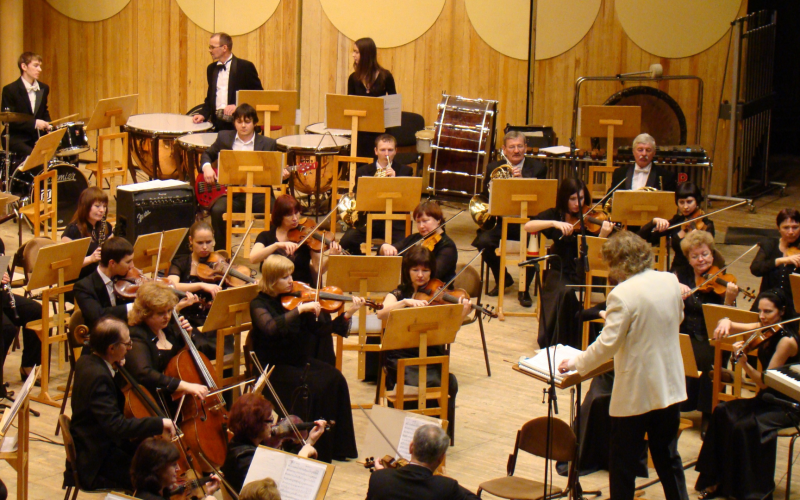
Sonic quality, including sound systems and acoustics, is essential. High-quality sound enables optimal performance appreciation. Large-scale concerts typically utilize advanced sound systems to cater to larger audiences, ensuring clarity and richness. In contrast, intimate performances may focus on acoustic details that highlight musicians’ skills, fostering closeness in the listening experience.
Audience Interaction and Engagement
Audience interaction and engagement vary significantly between intimate and large-scale concerts. These differences shape fan experiences and create distinct atmospheres at each type of event.
Fan Base and Community
In intimate concerts, the connection between musicians and their audience tends to be stronger. Musicians often recognize dedicated fans, facilitating a sense of community. This closeness allows for direct conversations, personalized interactions, and even spontaneous moments like song requests.
Conversely, large-scale concerts typically attract diverse audiences with varying levels of familiarity with the band. While the energy can be exhilarating, individual interactions diminish. Fans might feel part of a larger movement but miss the personal touch found in smaller settings.
Memorable Experiences
Memorable experiences at intimate concerts often stem from unique moments like storytelling or personal anecdotes shared by the musicians. Fans may leave with a sense of connection that enhances their bond with the artist. These concerts can incorporate elements such as acoustic sets or Q&A sessions, further enriching the experience.
Large-scale concerts, while grand in production and spectacle, rely on visual and auditory stimulation to create memorable moments. The scale often results in impressive light shows and elaborate stage designs. Fans may find excitement in the atmosphere, yet emotional connections often remain surface-level compared to their intimate counterparts.
Economics of Concert Attendance
The economics of concert attendance varies significantly between intimate gigs and large-scale festivals. Ticket prices are a primary factor influencing attendance.
Ticket Prices:
- Intimate Concerts: These often have lower ticket prices, usually ranging from $15 to $50.
- Large-Scale Concerts: Prices can soar from $50 to several hundred dollars, depending on the artist and venue.
Music Venues:
- Smaller venues may attract local talent, leading to more affordable pricing.
- Amphitheaters and arenas host big-name acts, contributing to higher operational costs that are reflected in ticket pricing.
Attendance Impact:
- Intimate concerts often yield a loyal audience willing to pay a premium for close experiences.
- Large festivals rely on volume; they need thousands of attendees to cover costs and generate profit.
Additional Costs:
- For festivals, attendees face extra expenses such as travel, food, and lodging.
- Conversely, attending a small gig might involve minimal additional costs.
Market Trends:
- Many fans weigh their options between the personal touch of small venues and the excitement of large-scale concerts.
- Economic factors like disposable income and concert location play vital roles in their decisions.
Understanding these dynamics helps to explain the varied landscapes of concert economics. Factors such as ticket pricing models and venue types directly shape the experiences offered to attendees.