
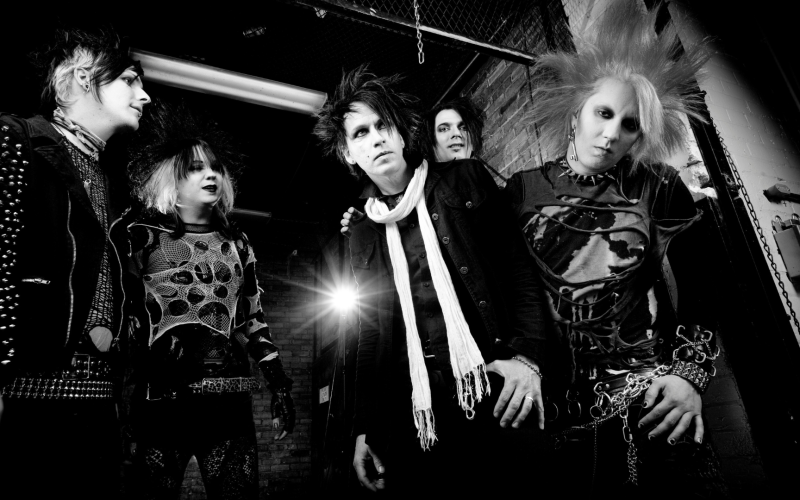
Punk rock and politics have long been intertwined, with the music serving as a platform for expressing dissent, frustration, and calls for change. From its origins, punk has challenged authority and questioned societal norms through raw, direct lyrics and a rebellious attitude.
The connection between politics and punk rock lies in the genre’s consistent role as a voice for marginalized and disillusioned groups, using music to critique power structures and inspire activism.
This relationship continues to evolve, reflecting the political climate of each era while maintaining punk’s core ethos of resistance and freedom of expression.
Punk Rock’s Roots in Political Dissent
Punk rock emerged during periods of economic struggle, political frustration, and social unrest. Its music and culture directly reacted to these forces by promoting defiance against established systems and challenging authority figures.
Economic Downturn and Social Upheaval
The late 1970s economic downturn in the UK and the US was a catalyst for punk rock. High unemployment, inflation, and declining industrial sectors created widespread despair among youth. Bands like The Clash and Sex Pistols voiced the frustrations of a generation facing bleak job prospects and social instability.
In cities like London and New York, punk became a channel for expressing anger toward stagnant economic conditions. The DIY nature of punk—self-produced records, grassroots shows—reflected the rejection of commercial music industries seen as disconnected from working-class reality. This economic context shaped much of punk’s initial sound and message.
Anti-Establishment Ideals
Punk rock thrived on direct opposition to social and political establishments. Its lyrics often criticized government policies, class inequality, and societal norms. The Dead Kennedys, for example, used sharp satire to attack American political hypocrisy and consumerism.
Anti-establishmentism in punk rejected mainstream culture’s values and questioned authority unquestioningly. The movement’s iconography and fashion—such as torn clothes and safety pins—visually represented this rejection. Punk’s political stance emphasized autonomy, freedom of expression, and a distrust of traditional power structures.
Punk’s Defiance of Authority
Punk’s relationship with authority was openly confrontational. Bands challenged law enforcement, censorship, and political leadership through provocative performances and outspoken lyrics. The Ramones’ raw sound and aggressive style reflected a broader cultural revolt against control and repression.
Live shows often served as venues for political statements and civil disobedience. Punk’s defiance extended beyond music into lifestyle choices, urging young people to question rules and resist conformity. This attitude cemented punk as a distinct force in political discourse during times of social unrest.
Notable Bands and Figures in Political Punk
Punk rock often reflects political tensions through raw lyrics and imagery. Bands like The Clash and Dead Kennedys directly addressed political issues, while others like the Ramones influenced the punk scene without focusing mainly on politics. Revolutionary icons such as Che Guevara have also appeared as symbols in punk culture.
The Clash and Political Storytelling
The Clash integrated political themes directly into their music, tackling subjects like racism, war, and economic injustice. Albums such as London Calling and Combat Rock include songs that critique British society and global conflicts.
They combined punk energy with reggae, ska, and rockabilly influences, broadening punk’s appeal. The band’s activism and lyrics made them a voice for left-wing political movements during the late 1970s and early 1980s.
Dead Kennedys and American Outrage
Dead Kennedys, formed in San Francisco, became known for their sharp political satire and anti-establishment stance. Songs like “Holiday in Cambodia” and “California Über Alles” criticized American foreign policy and political leaders with cutting humor.
Their frontman, Jello Biafra, used spoken word activism alongside the band’s music. The band’s work highlighted issues such as censorship, police brutality, and corporate control, influencing American punk’s political edge.
Ramones and the New York Scene
The Ramones helped define the punk sound but generally avoided direct political messaging. Their fast, straightforward songs focused more on youth culture and everyday angst than on explicit political themes.
Despite this, they shaped the New York punk scene, influencing bands who later took on more radical content. Their minimalist style and rebellious attitude laid the groundwork for punk’s broader cultural impact.
The Influence of Che and Revolutionary Icons
Che Guevara became an enduring symbol in punk rock imagery, representing anti-imperialism and rebellion. His iconic face appeared on merchandise and album art, often used to express defiance.
Bands across the punk spectrum invoked Che to connect with wider global struggles against oppression. This symbolic use illustrated punk’s identification with revolutionary ideals even when the music itself was not overtly political.
Evolution of Punk’s Political Expression
Punk’s political expression transformed significantly through the years, shifting from grassroots activism to broader cultural movements. It engaged diverse groups and ideologies, each redefining punk’s role in society while maintaining its rebellious core.
DIY Punk and Grassroots Activism
DIY punk emphasized self-reliance and community control. Bands like Minor Threat encouraged fans to organize shows, produce zines, and distribute music independently from major labels.
This approach resisted corporate influence and fostered political awareness on a local level. It empowered youth to address social issues such as racism, poverty, and government oppression directly.
The scene was tightly linked to anarchistic and anti-authoritarian values, promoting activism beyond just music. It became a practical method to create change without relying on external institutions.
Rock Against Racism and the Anti-Racist Movement
Rock Against Racism (RAR) emerged in late 1970s Britain to combat rising xenophobia and far-right politics. Punk bands joined forces with other genres to challenge racial hatred publicly.
RAR organized concerts, marches, and campaigns that united musicians and fans against racism. This collective effort highlighted music’s potential as a tool for social and political protest.
It also broadened punk’s audience by incorporating multicultural acts and addressing broader social injustices. RAR helped cement punk’s association with anti-racist commitment during a politically volatile period.
Post-Punk and New Directions
Post-punk evolved in the early 1980s, diversifying punk’s political discourse. Bands explored more complex themes like existentialism, capitalism, and state power through innovative sounds and lyrics.
This period saw a shift from straightforward rebellion to introspective critique. Groups such as Public Image Ltd and Gang of Four used abstract imagery and experimental music to question authority in nuanced ways.
Post-punk expanded punk’s political reach, influencing art, fashion, and intellectual thought while maintaining an oppositional stance toward mainstream culture.
Skinhead and Street Politics
The original skinhead subculture embraced working-class pride and multicultural influences, but over time, factions polarized politically. Some skinheads aligned with far-right ideologies, while others opposed racism and capitalism.
Anti-racist skinheads, often linked to punk, actively confronted fascism and participated in grassroots organizing. Bands like The Redskins combined punk energy with socialist messages.
This division showed how punk-adjacent groups could adopt conflicting politics, reflecting the complexity of street-level activism. It underscored punk’s influence beyond music into identity and social conflict.
Punk Rock’s Ongoing Impact on Activism and Social Movements
Punk rock continues to shape the discourse around social justice and political change. Its influence is evident in anti-capitalist thought, feminist movements, digital activism, and global political expressions.
Anti-Capitalism and Counterculture
Punk rock has maintained a strong critique of capitalism by promoting DIY ethics and rejecting consumer culture. Bands like Crass and Dead Kennedys articulated anti-capitalist messages through their lyrics and self-managed production methods. This created a sustainable counterculture focused on autonomy and resisting corporate control.
The scene fosters spaces where alternative economies, such as barter and collective ownership, are practiced. Punk’s rejection of mainstream values encourages activists to question economic inequality and systemic exploitation.
Feminism and Riot Grrrl
The Riot Grrrl movement merged punk’s raw sound with feminist politics in the early 1990s. It challenged sexism in society and the punk scene itself. Groups like Bikini Kill used music and zines to address issues like sexual harassment, patriarchy, and gender identity.
This movement empowered women and marginalized genders to claim space in a male-dominated genre. Riot Grrrl emphasized grassroots organizing, creating a network of activism that combined art with social justice demands.
Political Activism in the Digital Age
Modern punk activism has adapted to online platforms, enhancing its reach. Social media and music streaming help spread politically charged content rapidly. Activists use digital tools to organize protests, share resources, and amplify marginalized voices.
This shift enables punk ideals to engage with younger, tech-savvy audiences globally. Online communities foster solidarity and mobilization, making political punk more accessible and immediate than ever before.
Global Influence of Political Punk
Political punk has transcended Western origins to inspire movements worldwide. In countries facing authoritarianism or economic hardship, punk has become a vehicle for dissent. Bands from Latin America, Eastern Europe, and Asia incorporate local struggles into punk’s framework.
This global exchange amplifies diverse political experiences while maintaining punk’s core commitment to resistance. It shows punk as an adaptable language for confronting oppression across cultures.