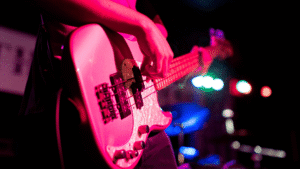
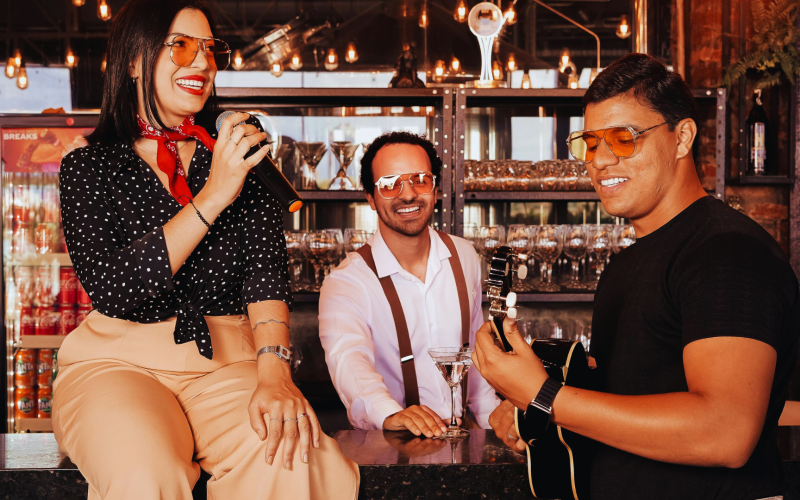
The landscape of music performance has been shifting, with intimate rock shows gaining notable traction in recent years. This trend reflects a growing desire among audiences for more personal connections with artists, creating experiences that larger concerts often cannot provide. The surge in smaller venues and acoustic performances has captured the attention of both new listeners and long-time fans alike.
In 2023, many artists began to prioritize these close-knit concerts, recognizing that the atmosphere fosters an enriching environment for creativity and connection. By engaging with their audience more directly, musicians can evoke genuine emotions and enhance the overall concert experience. This change not only benefits the performers but also enriches the cultural fabric of music communities.
As rock concerts evolve, the intimate show format continues to redefine how fans consume music. With every strum and lyric shared within arm’s reach, attendees are experiencing a revival of authenticity and closeness in live performances that resonates long after the final note is played.
Evolution of Live Music
The landscape of live music has transformed significantly over the years. From large stadium performances to more intimate settings, these changes reflect cultural shifts in audience engagement and artist expression.
From Stadiums to Intimacy
In the past, massive stadium concerts dominated the live music scene. Artists performed in front of thousands, creating spectacles that emphasized scale and grandeur. However, as technology advanced, the appeal of smaller venues grew.
Intimate rock shows provide a unique experience, allowing for personal connection between artists and audiences. The ability to interact directly enhances the emotional experience for attendees.
Many musicians now prefer these settings, as they foster a deeper connection with their fanbase. Venues like bars and small theaters have become popular stages, making concerts accessible and more personal.
Cultural Shifts in Performance
Changes in cultural dynamics have significantly impacted live music. The rise of social media has shifted how artists engage with their audience. Fans expect more direct interaction, leading to an increase in smaller performances.
These shows cater to a desire for authenticity and connection that large venues struggle to provide. Additionally, the pandemic prompted many artists to seek alternative performance methods.
Livestream concerts became commonplace, reflecting adaptability in the music industry. These methods maintained engagement during restrictions and have continued in various forms, emphasizing a blend of technology and personal connection in live music.
Impact of Social Media
Social media has transformed the landscape for intimate rock shows by enhancing connections between artists and fans while facilitating effective online promotion. This shift has led to a more personal concert experience and expanded audiences for musicians.
Artists’ Connection with Fans
Social media platforms enable artists to communicate directly with their fanbase, fostering a sense of intimacy. Musicians like Taylor Swift frequently engage with fans on platforms such as Instagram and Twitter.
Through posts, live streams, and direct messages, artists share personal stories, behind-the-scenes content, or even song snippets. This connection can lead to increased attendance at intimate shows as fans feel more personally invested.
Additionally, artists can solicit feedback on setlists or new material. Such interactive engagement strengthens the fan-artist relationship and encourages fans to attend live performances.
The Role of Online Promotion
Social media serves as a powerful tool for promoting intimate shows. Artists can create event pages on platforms like Facebook, enabling easy sharing and RSVP tracking.
Promotional strategies often include targeted ads, countdowns, and exclusive content related to the shows. This approach can generate buzz and anticipation.
Collaborations with influencers also amplify reach. When a popular account shares an event, it can attract new audience members who may not be familiar with the artist. Therefore, social media acts as both a promotional tool and a community-building platform, driving interest and attendance in intimate rock shows.
Planning and Experiencing Intimate Rock Shows
Organizing intimate rock shows requires careful planning and attention to detail. The experience can vary significantly from larger concerts, creating a unique atmosphere for both performers and audiences. Key factors include venue selection, logistics, and audience engagement.
Organizing Small-Scale Concerts
Selecting the right venue is crucial. Options often include local bars, small theaters, and community centers that can create an intimate setting. These spaces should ideally accommodate a smaller audience, encouraging close interaction between the artist and fans.
Logistics include scheduling the performance date, arranging sound equipment, and promoting the event. Engaging with local artists or bands can enhance credibility and draw in more attendees. Collaborating with local businesses for sponsorship or partnerships can also boost visibility.
Pricing tickets appropriately is another essential aspect. Keeping costs reasonable encourages attendance, while also ensuring the event remains financially viable.
What Audiences Can Expect
Attendees at intimate rock shows often enjoy a more personal experience. They can expect to connect directly with the artist, enhancing the enjoyment of live performances. Smaller crowds allow for a more laid-back atmosphere where fans can interact with musicians before or after the show.
The setlist may differ from larger concerts. Artists often feature lesser-known tracks, creating a unique experience. The overall vibe is typically more relaxed, allowing for spontaneous moments and closer audience involvement.
Fans might also appreciate opportunities for merchandise interactions. Artists can sell items directly, enhancing the personal connection. Overall, the intimacy of these concerts adds an enriching layer to the rock show experience.